

THE RESURRECTION
HOPE
IN JEWISH TRADITION
Jewish tradition does not treat resurrection as a distant afterthought. It stands among the foundational hopes of Jewish faith. The Torah, the Prophets, the Writings, and the Sages preserve the hope that God will ultimately raise the dead — a hope that later Jewish tradition places alongside the expectation of Messiah and the World to Come.

THE RESURRECTION HOPE IN JEWISH TRADITION
Resurrection is not a side issue in Jewish thought — it stands among its foundational hopes. Maimonides made its importance explicit: his twelfth principle of faith is belief in the coming of Messiah, and his thirteenth, immediately following, is belief in the resurrection of the dead. In his Mishneh Torah he goes further still — those who deny the resurrection of the dead are counted among those who have no share in the World to Come (Hilchot Teshuvah 3:6). The hopes of Messiah and resurrection therefore stand side by side among the foundational affirmations of Jewish faith.

ONLY GOD CAN RAISE THE DEAD
Judaism is emphatic on one point: resurrection is not a power any man possesses. It belongs to God alone. “See now that I, even I, am He, and there is no god with Me; I kill, and I make alive” (Deuteronomy 32:39). The Jerusalem Talmud states the principle directly — only the Holy One can resurrect the dead, citing “The Eternal kills and gives life, brings down to the pit and lifts up” (1 Samuel 2:6). The medieval Tosafist commentary Daat Zkenim reads Deuteronomy 32:39 the same way: God alone, and no other, holds this power. It is written into daily Jewish prayer — the Amidah blesses God as the One “who revives the dead.”

WHAT THIS MEANS FOR TESTING A MESSIAH
Deuteronomy sets out how Israel is to test anyone who claims to speak for God. A prophet who leads Israel toward idolatry is false, regardless of any sign he performs (Deuteronomy 13:1–5), and a prophet whose word does not come to pass has spoken presumptuously and is not to be feared (Deuteronomy 18:21–22). Jewish tradition attributes the power of resurrection ultimately to God alone. A genuine resurrection would therefore require God’s action and would demand serious theological explanation rather than being dismissed as merely another human sign.

YESHUA’S OWN SIGN
Yeshua’s claim was specific: He upheld the Torah, affirmed the Shema — “the LORD our God, the LORD is one” — and named love for God and neighbour as its substance (Deuteronomy 6:4–5, Leviticus 19:18). He also repeatedly pointed His followers toward His coming death and resurrection. If God truly raised Yeshua from the dead, that event cannot be explained as Yeshua exercising an independent human power; on the Jewish sources cited above, resurrection belongs ultimately to God. The question therefore becomes whether God’s raising of Yeshua constitutes divine vindication of His claims.
THE ORDER OF RESURRECTION
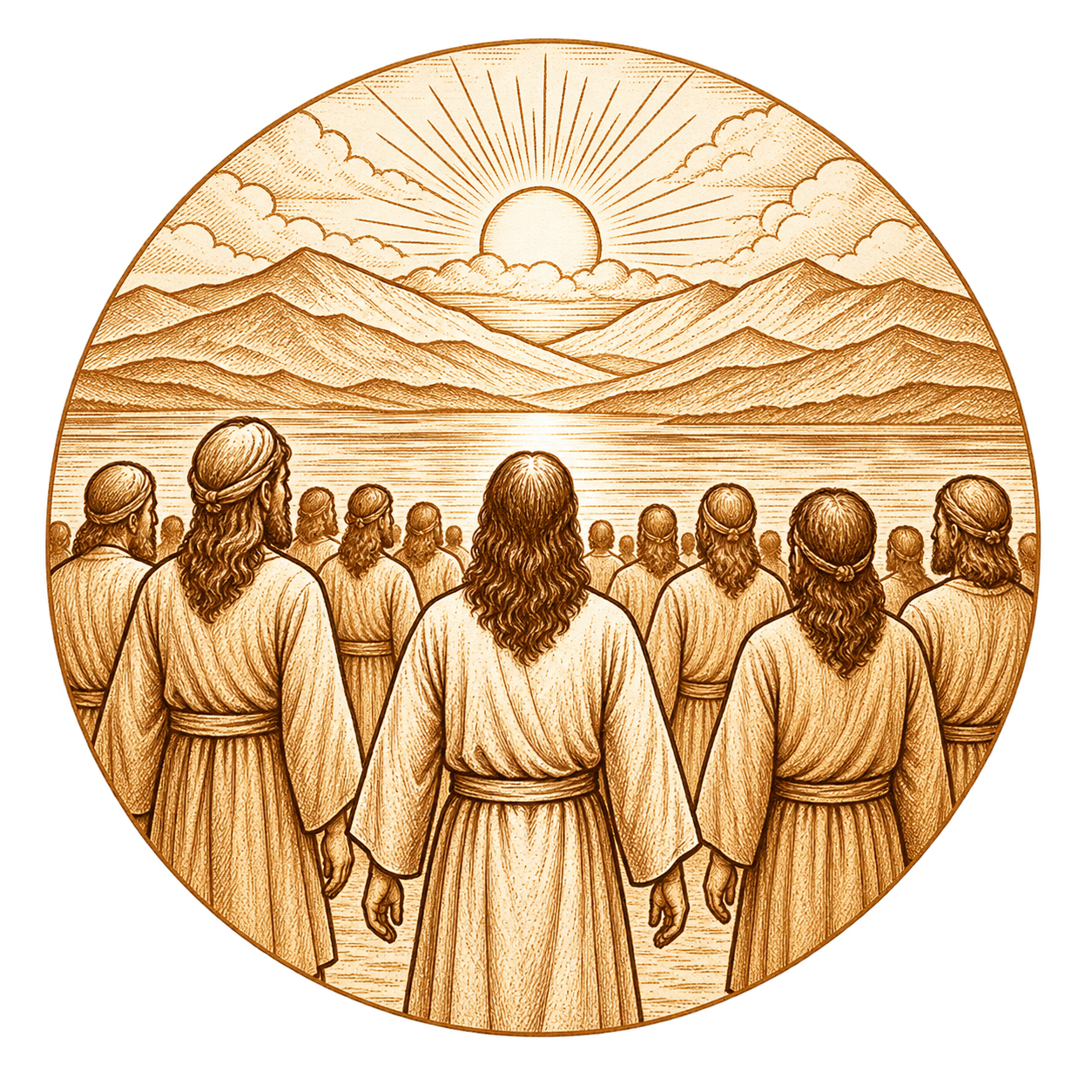
Daniel gives one of the clearest Tanakh pictures of the resurrection of the dead: “many of those who sleep in the dust of the earth shall awake, some to everlasting life, some to shame and everlasting contempt” (Daniel 12:2), following “a time of trouble, such as never was since there was a nation” (Daniel 12:1). Later Jewish traditions also connect the death of Messiah ben Joseph with his subsequent restoration to life in the era of Messiah ben David. These traditions are not uniform, but they are significant: they preserve the idea of a slain messianic figure whose death is not the end of his story.
WHERE THIS LEAVES US
Jewish tradition already preserves several of the pieces involved in this question: resurrection belongs ultimately to God, resurrection is a foundational Jewish hope, and later traditions even speak of the slain Messiah ben Joseph being restored to life. The claim concerning Yeshua is that God Himself raised Him from the dead — and that this resurrection is the divine vindication of the Messiah who first suffered and will yet reign.