

The Appointments of the Lord
God's calendar, not ours.
Most of the world lives according to the culture's calendar — holidays defined by commerce, seasons defined by school terms. We have chosen to live according to a different rhythm: the rhythm God wrote into creation itself.
The Appointments of the Lord (מועדים — Hebrew for "appointed times" or "fixed meetings") are found in Leviticus 23 and woven through the whole of Scripture. They are not merely Jewish observances. They are God's own calendar — set apart for all His people, fulfilled in Jesus, and still forming His community today.
Every feast tells the story of what God has done and what He will do. Every feast is a rehearsal of redemption. Every feast is an invitation to encounter the living God at a time He has set aside to meet with us.
Sabbath Shabbat
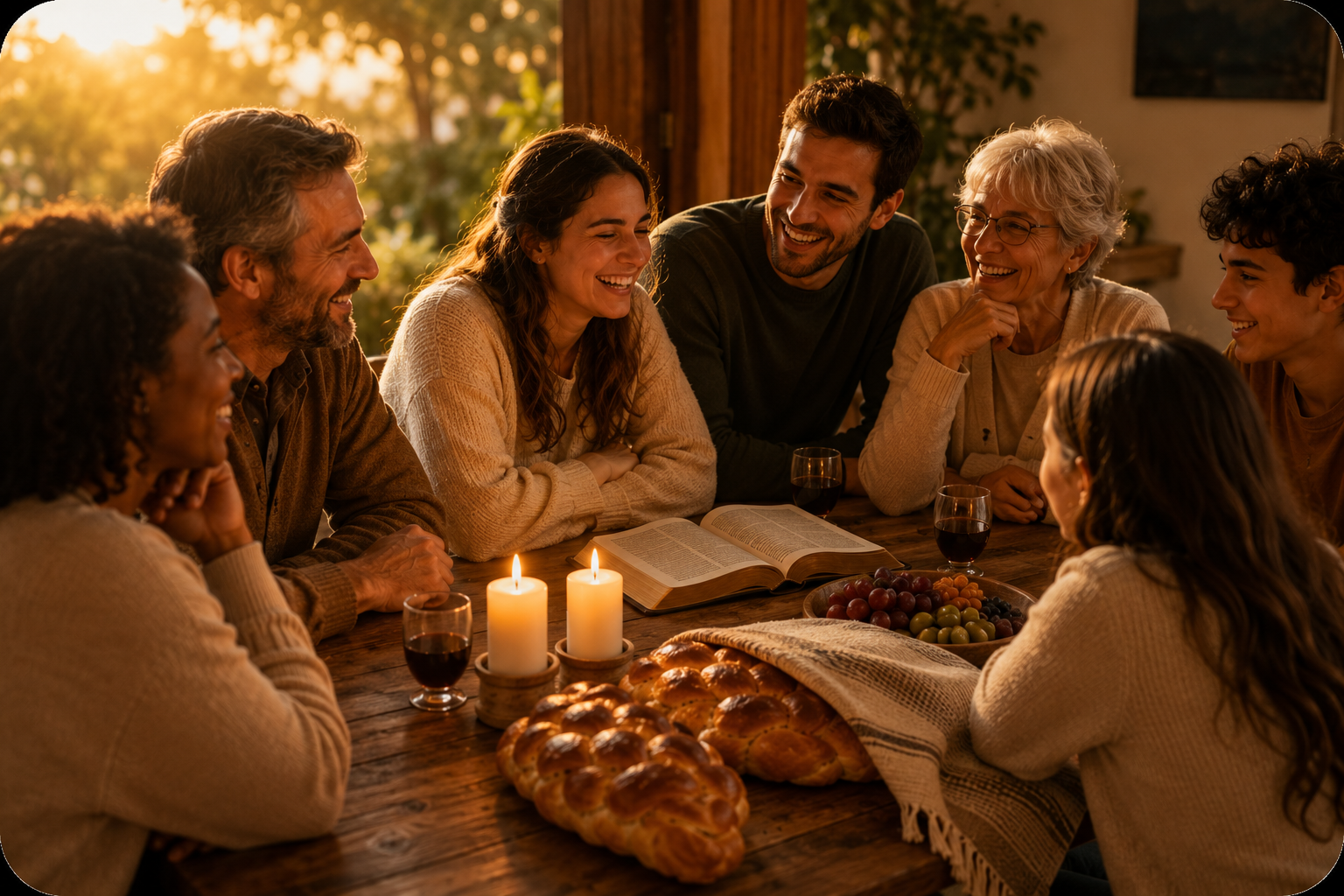
The Sabbath is the foundation of all the Appointments of the Lord — the weekly rhythm that God built into creation itself. On the seventh day, God rested. In that rest He declared: this day is holy. He set it apart as a sign between Himself and His people, a weekly act of trust that says He is Lord and we are not.
We gather every Saturday not out of religious duty but because we need this rhythm. In a culture that never stops, the Sabbath is an act of defiance and delight — a refusal to live as though the world depends on our striving, and a declaration that it depends entirely on Him.
The Spring Feasts
Four appointments in the first half of the biblical year — pointing to the first coming of Jesus and the giving of the Holy Spirit. All four were fulfilled by Jesus in remarkable, precise detail.
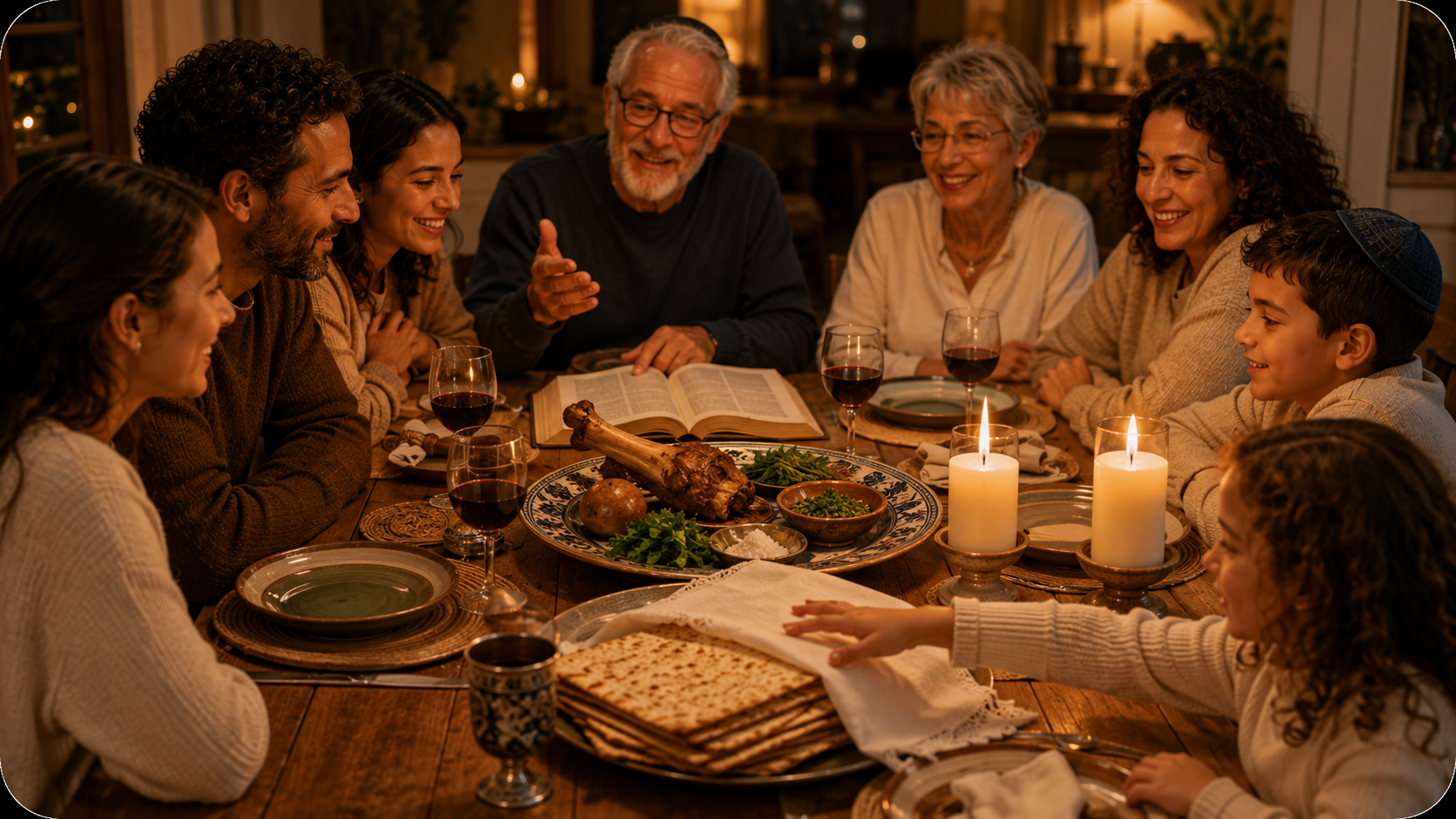
We remember the night God delivered His people from slavery in Egypt — the blood of the lamb on the doorposts, the death that passed over those who trusted in God's provision. Passover is the foundational act of redemption in the whole of Scripture. It is where the whole story begins.
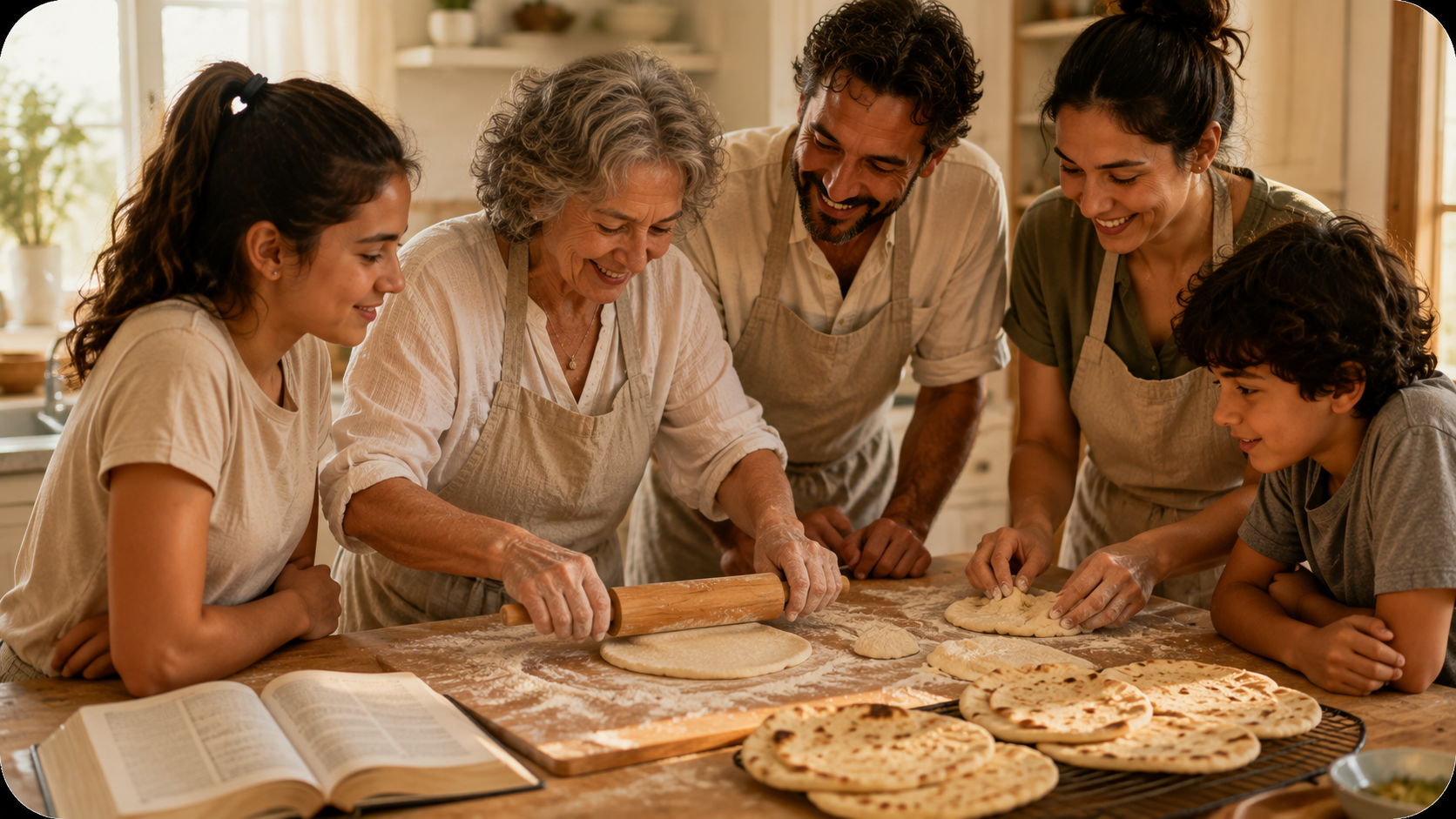
For seven days following Passover, we remove leaven from our homes — a physical act that speaks of putting away sin and living in the purity that Jesus bought for us. We observe the first and seventh days as special holy convocations. The seventh day is one of our annual immersion days — a powerful public declaration of a life given to Jesus.
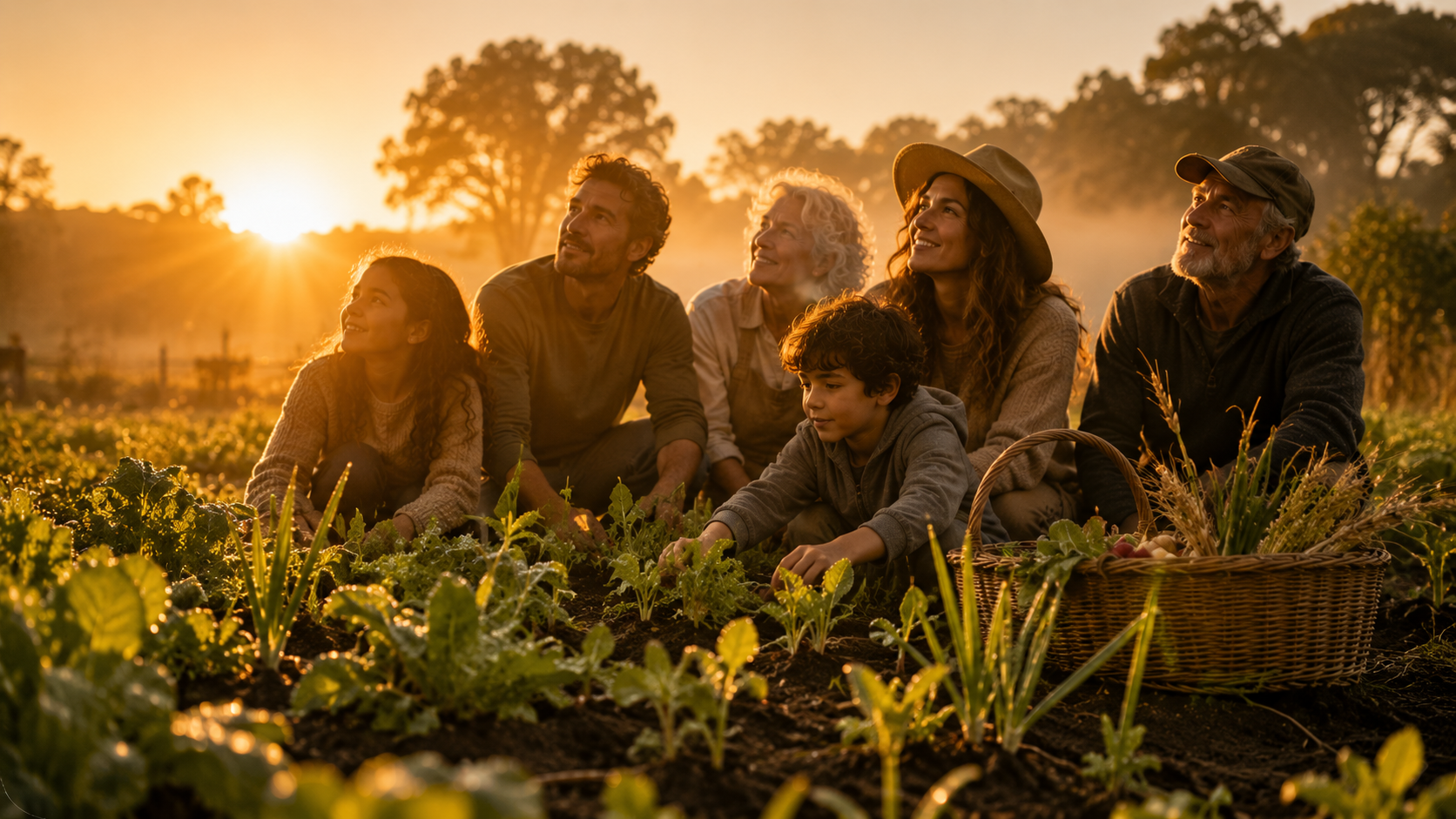
Firstfruits is the celebration of the first harvest — an act of faith that says the whole harvest belongs to God and more is coming. It falls on the day after the Sabbath during Unleavened Bread. It is the feast of new beginnings, of life emerging from death, of God's faithfulness breaking through. Jesus rose from the dead on Firstfruits. This is the true resurrection day.
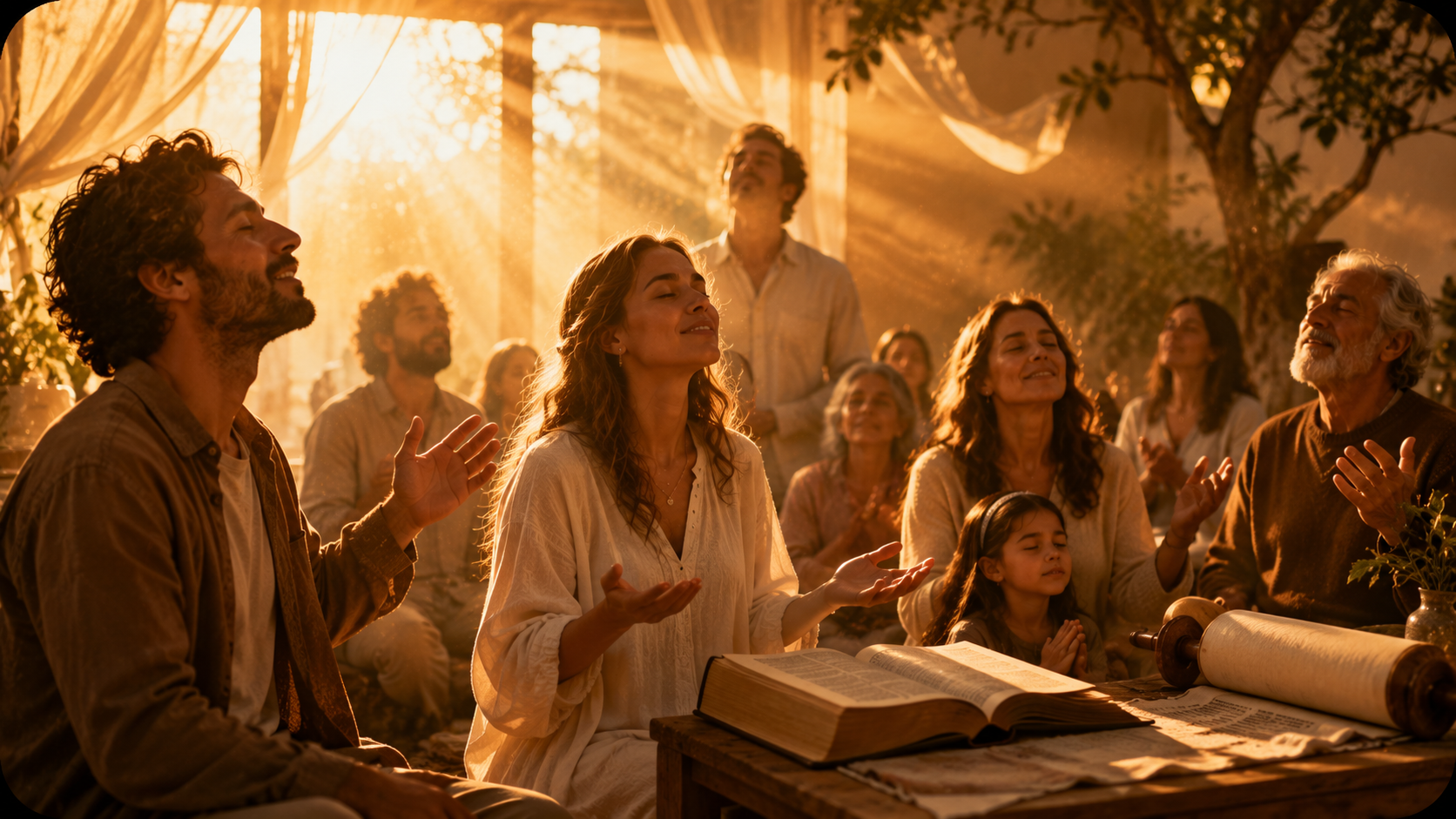
Fifty days after Firstfruits, Pentecost arrives. It celebrates two momentous events: the giving of the Torah at Sinai, and the outpouring of the Holy Spirit in Jerusalem (Acts 2). God wrote His law on stone at Sinai; at Pentecost He pledged to begin writing it on human hearts. We gather with special emphasis on the Holy Spirit — with prophecy, healing, and encounter at the centre.
The Autumn Feasts
Four appointments in the second half of the biblical year — pointing to the second coming of Jesus, the final atonement, and the eternal Kingdom. These feasts are yet to be fully fulfilled. They are our holy expectation.
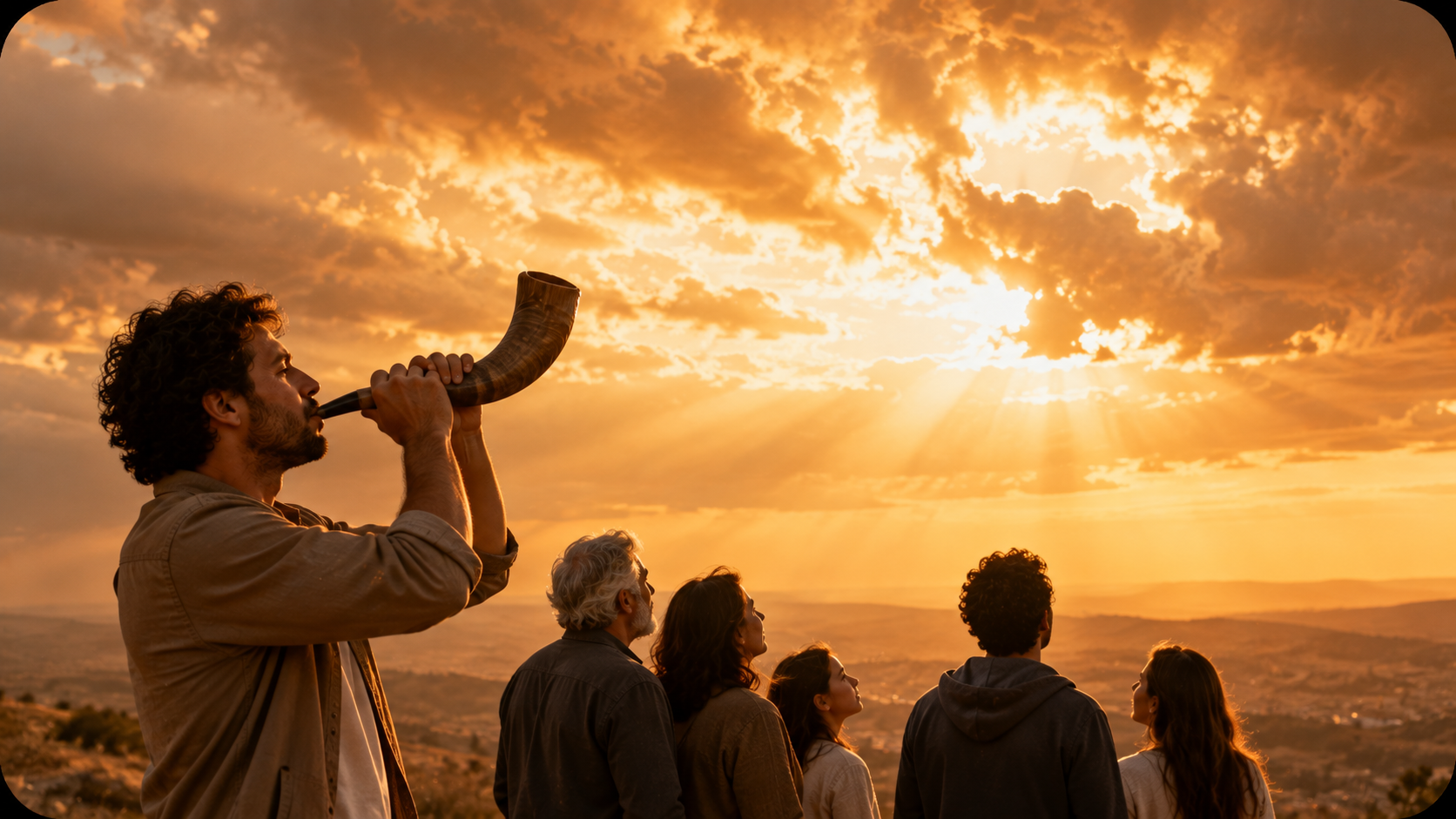
The shofar is blown over the city. This is a day of awakening, preparation, and holy expectation — a call to repentance before the Day of Atonement and a declaration that King Jesus the Messiah is coming. The blast of the shofar pierces something in the spirit that cannot be explained, only experienced. This is the sound of a people who are ready.
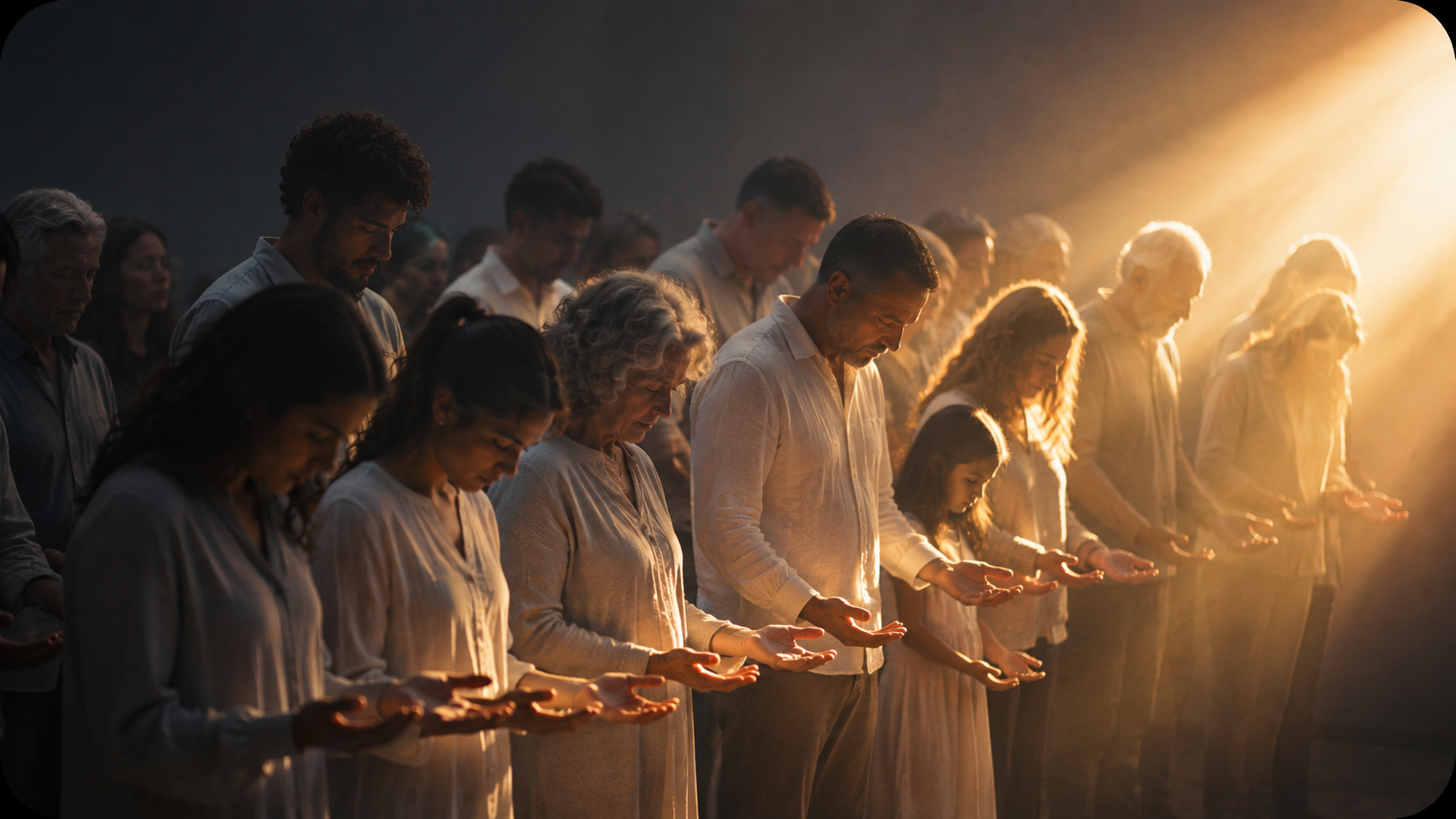
The most solemn day of the year. We fast and stand before God in repentance and covenant renewal — not in fear, but in the deep confidence that we stand before God in the mercy of Jesus our atoning King. Fasting is commanded by God. The gathering itself is marked by reflection, repentance, confession, intercession, and the profound stillness of a people in the hands of the Lord.
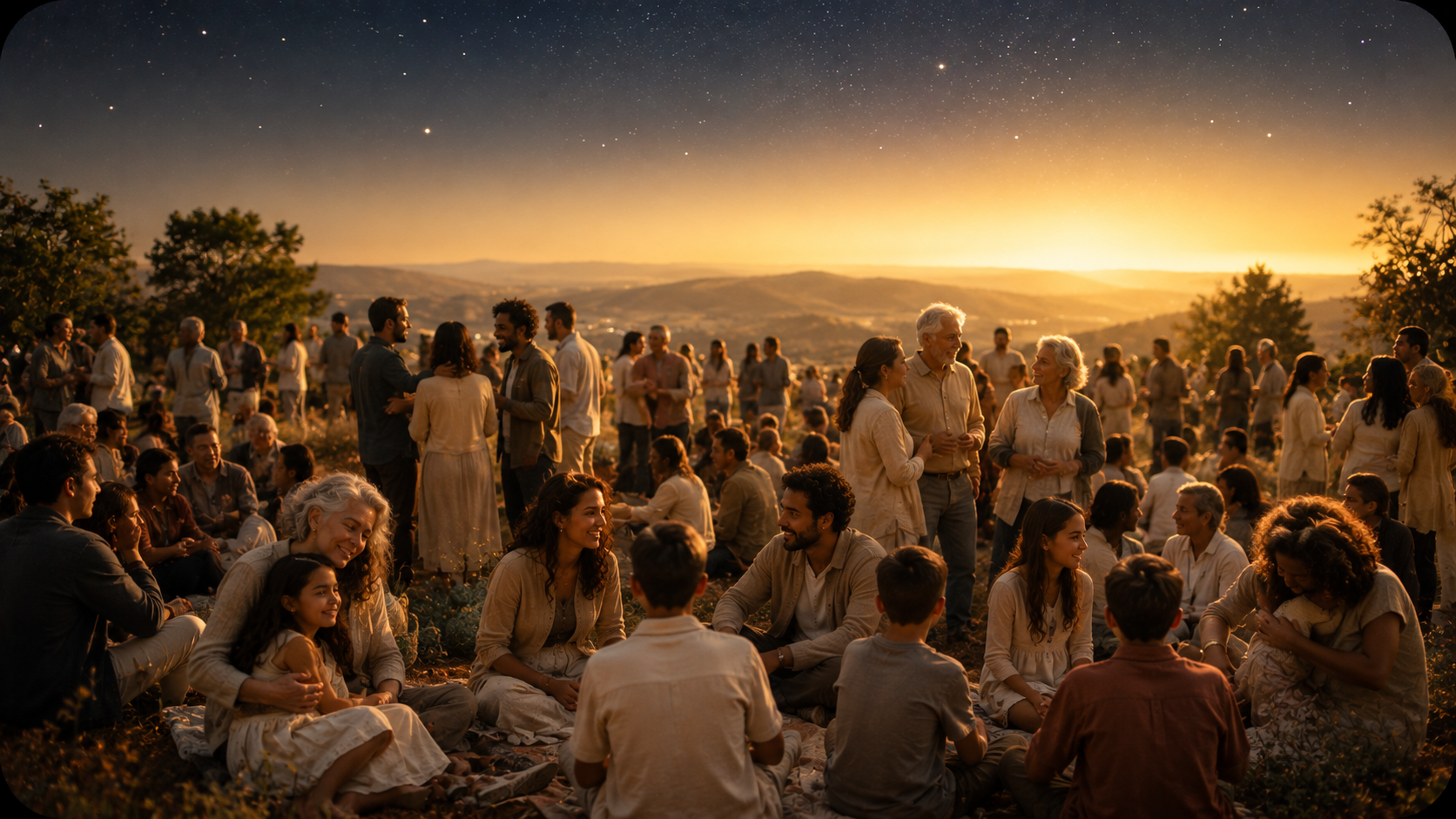
The day after the Feast of Tabernacles — God's "one more day." Shemini Atzeret is not another feast; it is an intimate gathering, a lingering. After the joy of Tabernacles, God asks His people to stay a little longer. The Eighth Day is a celebration of pure worship, deep joy, and the closeness of a community that has walked through the whole feast season together. It represents the World to Come.
The Feast of Tabernacles
Kingdom Festival
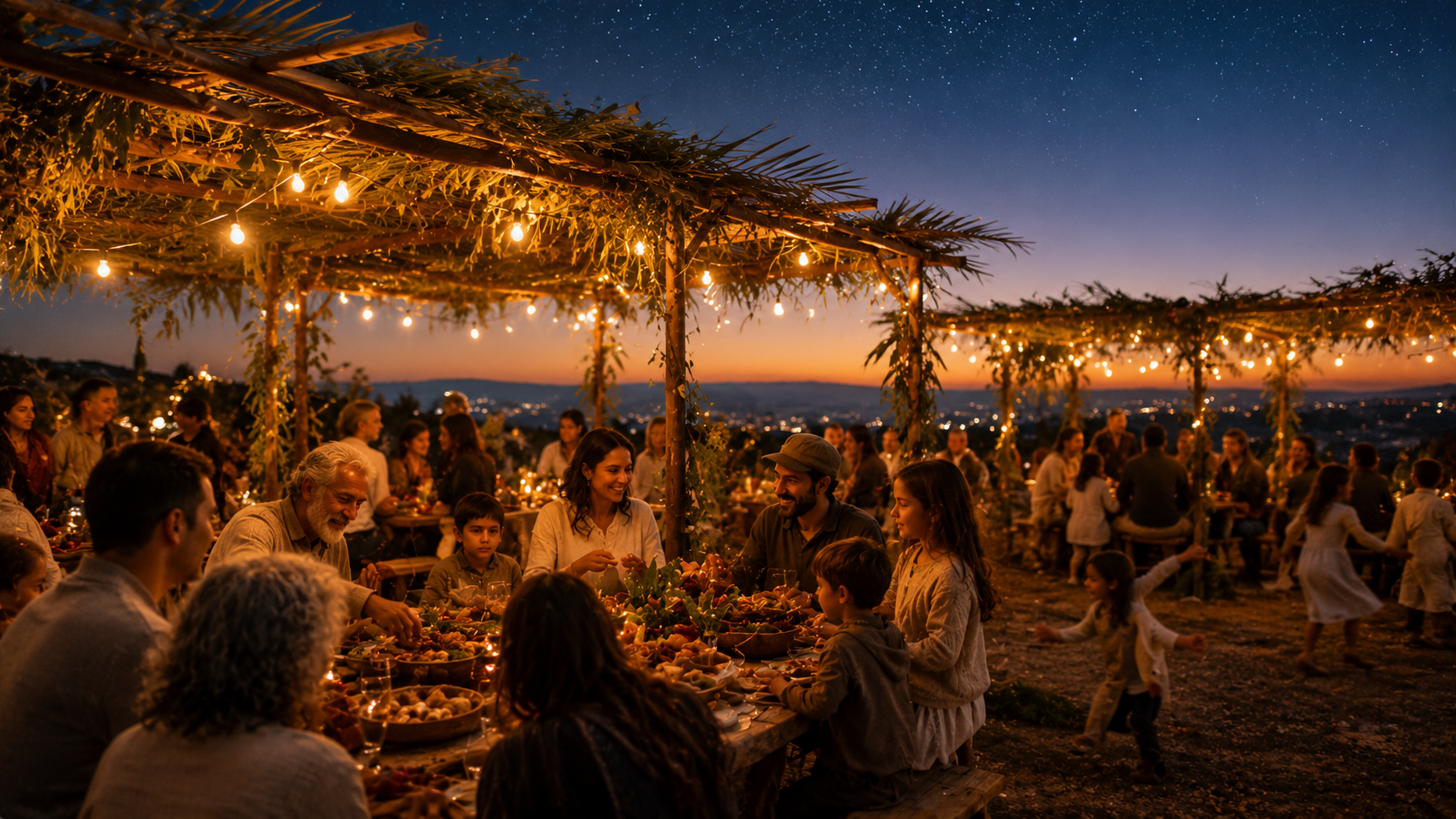
The Feast of Tabernacles is the great annual gathering of all who serve the God of Israel. For seven days, we celebrate God's provision and presence through the wilderness, and anticipate the day when God will dwell — tabernacle — with His people in the Messianic Era under the Kingship of Jesus. We build temporary shelters. We feast together. We worship at full volume. We are commissioned and sent. This is the feast the whole earth will one day keep. It is seven days of worship, formation, commissioning, and the joy of the Feast of Tabernacles.
Our representation of that is Kingdom Festival — our annual gathering where families, disciples, and leaders come together under one temporary roof, around one table, before one King.
We begin now.
These feasts are for everyone.
These are not religious observances or ethnic traditions. They are God's appointed times — moments He set apart to meet with His people and to reveal His redemptive plan. Jew and Gentile alike are fully invited and fully included in the Appointments of the Lord. These are God's feasts — for all His people. We celebrate them as treasures. Come and discover what you have been missing.
Everything you need to join us.
Dates, times, and practical details for each of the Appointments of the Lord — so you know exactly what to expect before you arrive.